
Feb 10, 2026
UNDERSTANDING TOXIC SHOCK SYNDROME (TSS): SYMPTOMS, PREVENTION AND SAFE PERIOD PRACTICES
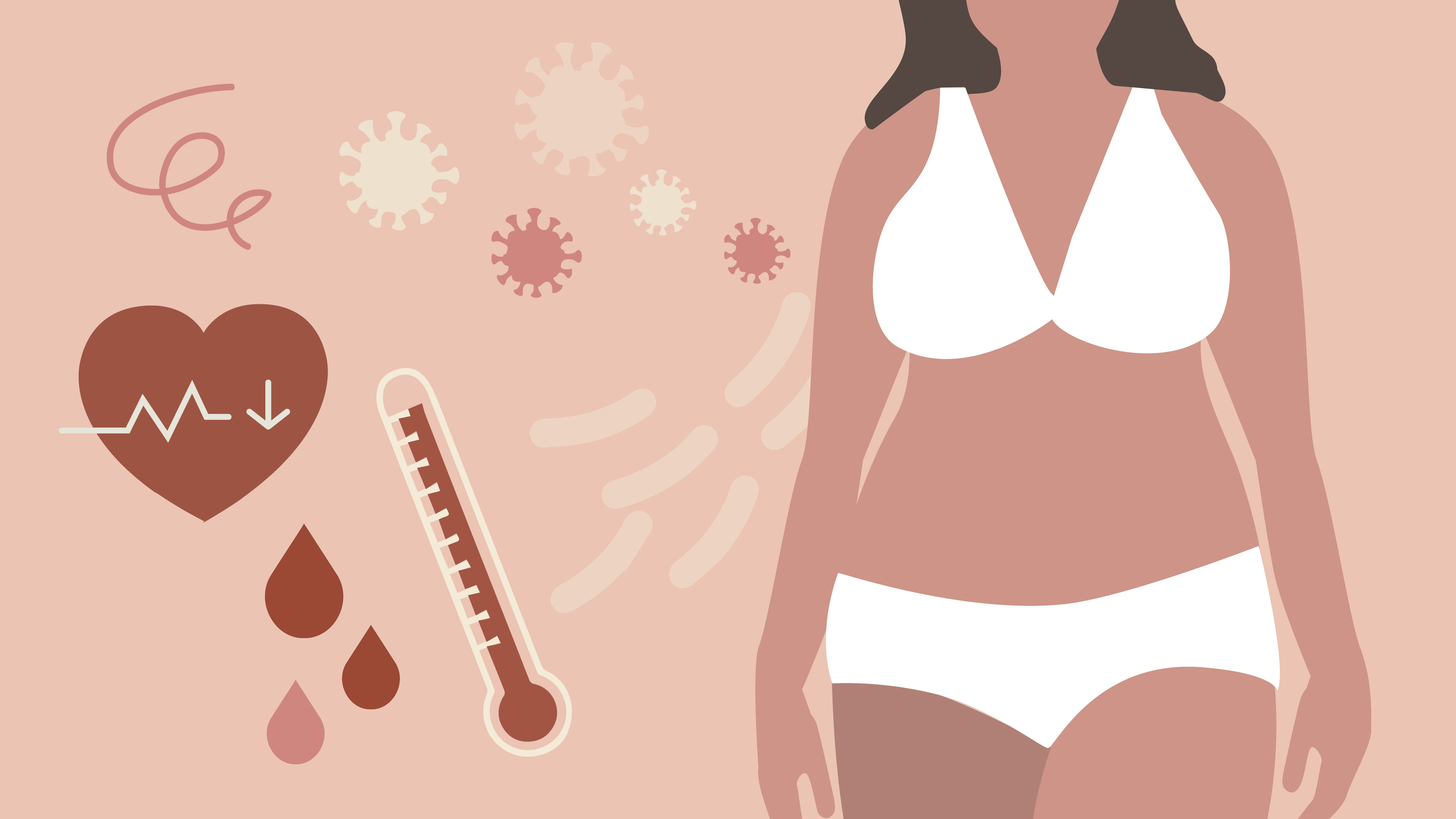
Although toxic shock syndrome (TSS) is very uncommon, it’s helpful to know what it is, what symptoms to look out for, and how safe period practices can help prevent it.
Most people only hear the term toxic shock syndrome when they’re reading about period products and even then, it can feel a bit vague. That’s because TSS is uncommon, but it’s still important to understand what’s being referred to.
In simple terms, it’s a reaction caused by toxins from certain bacteria (usually Staphylococcus aureus or Streptococcus pyogenes). These toxins can spread in the body and trigger a sudden, intense response.
While this can sound alarming, it’s important to keep in mind that TSS is very rare, and when period products are used as directed, the risk remains low.
Quick facts about TSS:
-
It is rare but serious
-
Caused by bacterial toxins, not the bacteria itself
-
Can develop quickly (often within 12–48 hours)
-
Requires urgent medical treatment
-
Not only linked to tampon use
What Are The Symptoms of Toxic Shock Syndrome?

If you’re trying to picture what toxic shock syndrome feels like, most people describe it as something has changed quickly in the body rather than a slow build over time.
It can start with:
-
A sudden fever that feels quite high
-
Shivering or chills
-
A heavy, “flu-like” body ache
-
Nausea or stomach upset
What stands out is how fast it comes on. With toxic shock syndrome symptoms, it’s often not just one thing, it’s a mix that appears together. Some people also feel dizzy or unusually weak, which can signal that blood pressure is dropping.
Symptoms often appear suddenly rather than gradually, which is one of the key differences from other more common illnesses.
What Are The Signs of Toxic Shock Syndrome?
TSS symptoms can be easy to overlook at first because they resemble common illnesses.
You might notice:
-
A red rash that spreads across the body
-
Red or irritated eyes and throat
-
Muscle pain that feels more intense than a typical illness
-
Confusion or difficulty focusing
-
Peeling skin on the hands or feet a bit later
If these symptoms show up together, especially around your period or after using a tampon or menstrual cup, it’s worth getting checked without delay.
How Does Toxic Shock Syndrome Happen?
TSS isn’t caused by the bacteria alone, but by the toxins they release. These toxins can enter the bloodstream and trigger a rapid immune response.
Some toxic shock syndrome causes include:
-
Leaving a tampon or menstrual cup in longer than recommended
-
Using a tampon with higher absorbency than needed
-
Bacteria entering through a cut, burn, or surgical wound
-
Infections that aren’t healing properly
While often associated with tampon use, TSS can also develop from wounds, burns, or post-surgical infections. It’s important to keep this in context - period products, when used correctly, are widely used and safe for most people.
Risk Factors: Who Needs to Be Aware?
TSS doesn’t usually affect a certain group of people, but some situations can make it more likely.
Things to be mindful of:
-
Regularly using tampons of a higher absorbency than you need - make sure you choose the right tampon for your flow
-
Forgetting to change products within the recommended time
-
Having a wound, burn, or surgical incision
-
Recovering from a bacterial infection
-
Having had TSS in the past
These are just factors to be aware of, not reasons to avoid products altogether.
How Rare Is Toxic Shock Syndrome?
TSS is considered very rare. Most people who use period products will never experience it.
Awareness, product design, and clearer guidance have all helped keep risk low.
When to Seek Immediate Medical Help
TSS is a medical emergency and should be treated quickly. Seek urgent medical attention if you notice:
-
A sudden high fever along with vomiting or diarrhoea
-
Dizziness, fainting, or signs of low blood pressure
-
A rash combined with flu-like symptoms
-
Feeling rapidly worse over a short period of time
If you’re using a tampon or menstrual cup, remove it immediately and seek care.
Diagnosis: How to Know If You Have Toxic Shock Syndrome
Trying to figure out TSS usually comes down to recognising how symptoms appear together.
If you notice:
-
A sudden fever along with vomiting or diarrhoea
-
A rash plus dizziness or fainting
-
Feeling unusually unwell during or after your period
…it’s best to seek medical advice quickly.
Doctors don’t rely on one single test. They look at symptoms, run blood tests, and check for infection sources.
Treatment: What Happens If You Get TSS?
TSS is treated as an emergency and getting help early makes a real difference.
Treatment usually involves:
-
Antibiotics to target the infection
-
Fluids through an IV to support circulation
-
Removing the source of bacteria (like a tampon or wound dressing)
In more serious cases, hospital care may include monitoring vital signs closely and supporting organs while the body recovers.
Early treatment significantly improves recovery and reduces the risk of complications.
What Are Simple, Practical Period Habits to Prevent TSS?

There’s no need to overcomplicate prevention. Small, consistent habits go a long way.
A few practical steps:
-
Change tampons every 4–8 hours
-
Use the lowest absorbency that suits your flow
-
Consider using pads overnight or on lighter days
-
Wash hands before and after handling period products
-
Don’t use tampons when you’re not menstruating
-
Follow instructions for internal products carefully
-
Keep wounds clean and watch for signs of infection
-
If you’ve had TSS before, talk to a healthcare professional about product choices
Is It Safe to Use Tampons?
Yes, tampons are safe for most people when used correctly.
The key is using the right absorbency, changing them regularly, and following product instructions. Millions of people use tampons safely every day.
Want to feel more confident about your period care choices?
Explore our collection and learn more about selecting the right absorbency, changing routines, and finding what works best for your body. Because informed choices make all the difference.
FAQs
How long does a tampon have to be in to get TSS?
There’s no exact time when TSS starts, but risk can increase if a tampon is left in for longer than 8 hours. The longer it stays in, the more opportunity there is for bacteria to grow. Changing regularly helps reduce that risk.
What are the first signs of toxic shock syndrome?
The early signs often feel like a sudden flu - fever, chills, body aches, and nausea. What’s different is how quickly these symptoms appear together. If multiple symptoms show up at once, it’s best not to wait.
How common is TSS?
TSS is rare, especially today with better awareness and product guidance. Most people using period products will never experience it. It’s something to be aware of, not something to expect.
What are the complications of toxic shock syndrome if left untreated?
If untreated, TSS can affect blood pressure and vital organs. In severe cases, it can lead to shock or become life-threatening. Getting medical care early helps avoid these outcomes.
Can TSS go away on its own?
No, TSS does not go away without treatment. It needs medical care, including antibiotics and supportive treatment. Acting quickly helps the body recover properly.
Who is at risk for toxic shock syndrome?
Anyone can develop TSS, but it’s more commonly linked to tampon and menstrual cup use, infections, or wounds. People who’ve had it before may also have a higher chance of recurrence. Using products as directed keeps risk low.
Can toxic shock syndrome be prevented?
Regular product changes, good hygiene, and using the right absorbency all help to reduce the risk of TSS. Following product use instructions is one of the simplest ways to stay safe.
How quickly does TSS develop?
TSS can develop quickly, sometimes within 12 to 48 hours. Symptoms tend to appear suddenly rather than gradually. That’s why noticing early changes in your body is important.
Is TSS only linked to periods?
No, it isn’t only linked to periods. It can also develop from wounds, burns, or infections. Period-related cases are just one way it can occur.
Anything else? Essity Australasia makes no warranties or representations regarding the completeness or accuracy of the information. This information should be used only as a guide and should not be relied upon as a substitute for professional, medical or other health professional advice.
References:
Blogs
See All
Jun 08, 2022
EXPLORING PERIOD CARE IN CULTURES AROUND THE WORLD
Our TOM Talks panelist Sabina McKenna explores how different cultures around the world approach period care.
Read More
Jun 08, 2022
STOP APOLOGISING FOR HAVING YOUR PERIOD
Our TOM Talks panelist Mel Mason talks about the importance of not apologising for having your period.
Read More
Jun 07, 2022
STRESSED? NOT SLEEPING? TRYING TO CONCEIVE?
TOM Talk's panelist Georgia Hartmann discussed the links between stress, sleep and fertility.
Read More
Jun 07, 2022
STRESS AND HOW IT AFFECTS YOUR SEX DRIVE
Certified sex coach Georgia Grace is here to unpack the link between stress and sex.
Read More