
Jul 31, 2026
PERIOD CUP FAQs: ADDRESSING COMMON CONCERNS AND MISCONCEPTIONS
A menstrual cup tends to raise a lot of questions the first time you come across it. Some are practical, some are based on things people have heard from friends, and others come from not really knowing what to expect.
If you are thinking about trying a cup, or you have already got one sitting in your drawer but haven’t used it yet, it usually comes down to a few core doubts - comfort, safety, cleanliness, and whether it will work in real life.
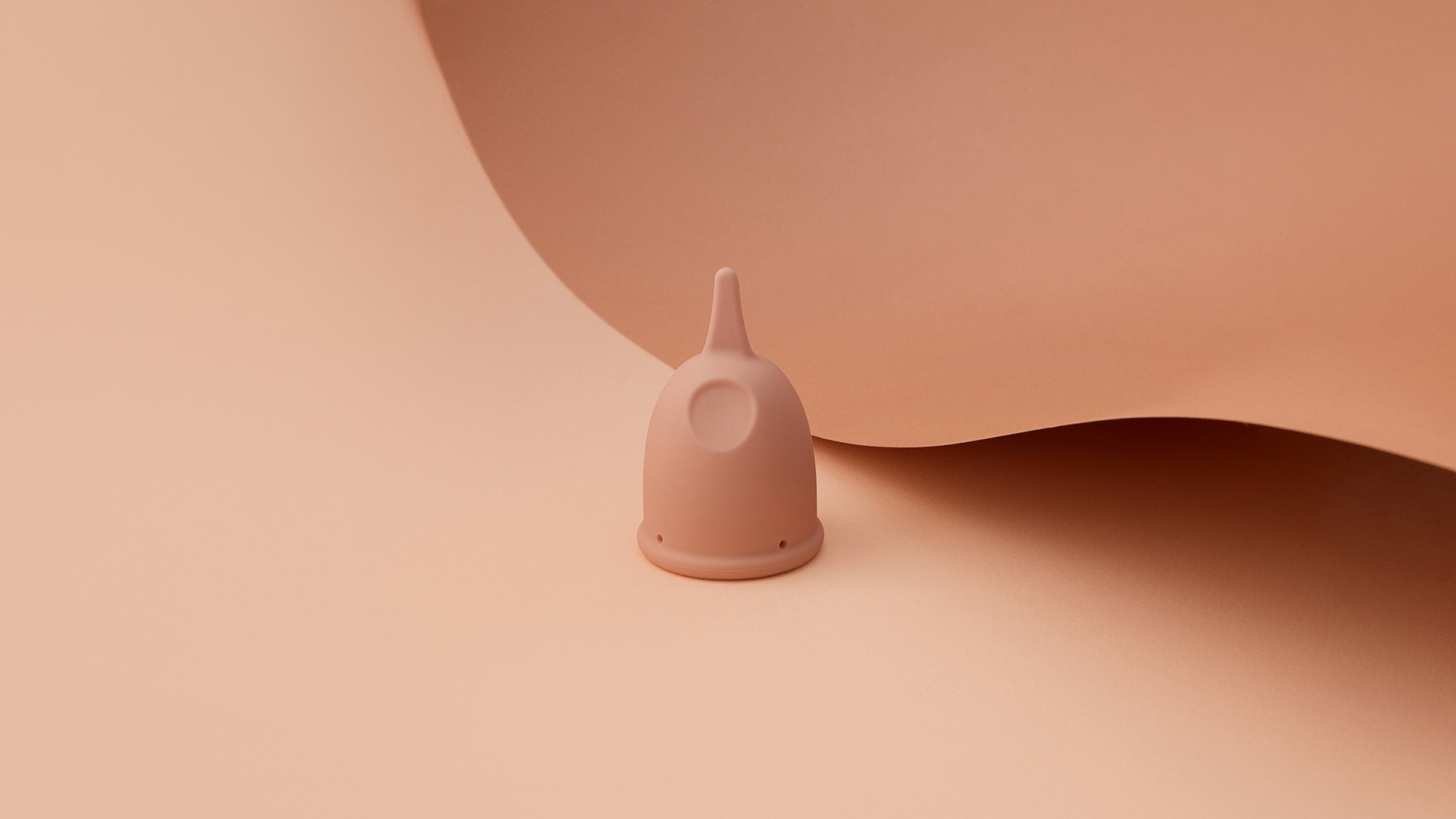
A menstrual cup (also known as a period cup) is a soft, reusable device, usually made from medical-grade silicone, that sits inside the vagina and collects menstrual fluid rather than absorbing it. Most menstrual cups are made from medical-grade silicone, rubber, or latex materials that are designed for safe internal use when used correctly.
Many people choose menstrual cups because they are reusable, cost-effective over time, and reduce waste compared to single-use products.
While the usage sounds straightforward, the experience of using one can feel very different at first.
Let’s go through the questions people ask.
What Is A Period Cup and How Does It Work?
On paper, it is simple. It can take a cycle or two to get used to.
Most people don’t get it perfect on the first try, and that’s normal. The process of learning how to use a menstrual cup is less about rules and more about figuring out your own comfort.
What usually helps is:
-
Trying it on a relaxed day at home first
-
Experimenting with folding styles rather than sticking to one
-
Taking your time instead of rushing insertion or removal
-
Expecting a bit of trial and error early on
Once it clicks, many users say it becomes less noticeable than they expected.
TOM Organic’s period cup is designed with this learning curve in mind, especially for people trying it for the first time.
How Do You Insert A Menstrual Cup For Beginners?

This is where most hesitation sits, and honestly, it is less technical than it sounds.
A simple step-by-step menstrual cup insertion looks like this:
-
Wash your hands thoroughly (always first, even if it feels repetitive)
-
Fold the cup in a way that feels small enough to manage (C-fold, punch-down, or preferred method)
-
Insert slowly and gently, aiming back towards your tailbone rather than straight up
-
Allow the cup to fully open on its own once inside, then gently rotate the cup to help create a secure seal against the vaginal walls
-
Check that it feels settled, not poking or shifting
Most people don’t realise the cup doesn’t need to sit “high”. It sits lower than a tampon, and when it’s in the right place, you generally forget about it.
Can A Menstrual Cup Get Lost Inside You?
It’s one of the most common fears, especially before the first use.
A cup cannot get lost inside you. There is a physical limit to where it can go, so it always stays reachable.
What sometimes happens is the seal feels strong, which can make removal feel a bit tricky the first few times. That’s not the cup being stuck, it’s just doing its job.
How Do You Remove A Menstrual Cup Safely?

If insertion feels like the “unknown”, removal is usually what people worry about next.
Learning how to remove menstrual cup comfortably is about breaking the seal first, not pulling it out.
A few things that make it easier:
-
Don’t rush straight to pulling the stem
-
Relax your lower muscles before trying
-
Pinch the base gently to release suction seal
-
Ease it out slowly rather than in one motion
-
Then empty the contents into the toilet, rinse the cup thoroughly, and reinsert or store it safely

If you're using TOM Organic’s menstrual cup, the unique finger indents and internal rib system provide a better grip, making insertion and removal easier.
How Do You Clean A Menstrual Cup Properly?

There is often an assumption that cups are high maintenance. In practice, it is more straightforward than pads or tampons in different ways.
If you are learning how to clean menstrual cup, the routine usually looks like this:
During your period:
-
Empty it every 8–12 hours (or more frequently depending on your flow) and clean it before reinserting
-
Rinse with water
-
Reinsert
Between cycles:
Between cycles, sterilise your menstrual cup before storing it. Our menstrual cups come with a microwave steriliser case, making it quick and convenient to sterilise your cup at home. Always follow the product instructions for the recommended sterilisation method and time.
Are Period Cups Safe To Use?
This is where most hesitation sits.
Most menstrual cups can be worn for up to 8–12 hours, depending on your flow.
When used properly, they are considered safe for most people. The main thing is hygiene - clean hands, correct insertion, and regular emptying.
Important: Like other internal products, menstrual cups have been associated with Toxic Shock Syndrome (TSS), a rare but serious condition. Always follow usage guidelines and read product instructions carefully.
Addressing Common Misconceptions About Period Cups

Even though menstrual cups are becoming more common, some myths still create hesitation. Let’s clear up a few common misconceptions.
Myth: Period Cups Are Messy
Fact: With proper technique, using a period cup can be less messy than tampons or pads. The key is to insert and remove the cup carefully and clean it regularly.
Myth: Period Cups Can Get Lost Inside You
Fact: The vaginal canal has a defined end, so a period cup cannot get lost inside you. It sits below the cervix and can be easily retrieved by pinching the base and gently pulling it out.
Myth: Period Cups Are Unhygienic
Fact: Period cups are hygienic when used and cleaned correctly. Silicone, rubber, and latex are all materials that do not harbor bacteria if properly maintained and sterilised.
Myth: You Need To Be “Experienced” To Use One
Fact: No prior tampon experience is needed. Some beginners prefer cups because they can learn placement at their own pace.
Myth: Menstrual Cups Feel Uncomfortable
Fact: If something feels off, it usually means position or size needs adjusting - not that cups are inherently uncomfortable.
Can You Sleep With A Menstrual Cup In?
Yes, and many people do.
If you are wondering, can you sleep with a menstrual cup, the practical answer is yes - if it fits your flow and is emptied within the recommended time window.
Some people prefer it overnight because they don’t have to think about changing products during sleep.
Movement, Workouts, and Everyday Life
One of the less talked about advantages is how “low attention” it becomes once inserted correctly.
You can usually:
-
Swim without worry
-
Exercise as normal
-
Travel without carrying backups everywhere
-
Go through a full workday without changes
It tends to feel more flexible once you stop thinking about it constantly.
Are There Any Disadvantages?
While menstrual cups work well for many people, they’re not without a learning curve. Some common challenges include:
-
Learning curve, especially in the first few cycles
-
Emptying and rinsing a menstrual cup in public bathrooms can feel inconvenient for some people, especially at first
-
Higher upfront cost compared to disposable products, but reusable long-term
Choosing A Size Isn’t As Fixed As It Sounds
Choosing the right menstrual cup size doesn't have to be complicated. While sizing varies between brands, our menstrual cups are available in two sizes to suit different life stages and body types.
Use the guide below to help choose the best fit:
| Size 1 (Regular) | Size 2 (Super) |
|---|---|
| Under 30 years old | Over 30 years old |
| Short (low) cervix | Long (high) cervix |
| Haven't given birth | Have given birth |
| Holds the equivalent of 2 regular tampons | Holds the equivalent of 3 regular or 2 super tampons |

Keep in mind that these are general guidelines rather than strict rules. Your age, flow, cervix height and personal comfort all play a role in finding the right fit. If your first choice doesn't feel quite right, it's common to try a different size until you find what works best for your body.
Final Thoughts
A TOM Organic period cup is one of several options in period care - not a replacement for everything else, and not something you have to get perfect immediately.
For most people, the experience improves with familiarity rather than instruction.
When exploring reusable period products, it’s less about switching perfectly and more about figuring out what fits your body and routine.
If you have specific medical concerns or are unsure whether a menstrual cup is right for you, it’s always best to speak to a qualified healthcare professional.
FAQs
How much blood does a menstrual cup hold?
The capacity of a menstrual cup depends on its size. TOM Organic’s Size 1 menstrual cup holds the equivalent of up to 2 regular tampons, while Size 2 menstrual cup holds the equivalent of up to 3 regular tampons or 2 super tampons. The right size for you depends on factors such as your age, cervix height, whether you've given birth, and your typical menstrual flow.
Can you feel a menstrual cup when it’s inserted?
When positioned correctly, you shouldn’t feel a menstrual cup at all. If you do, it usually means it needs adjusting.
How long can you leave a menstrual cup in?
Most guidance sits around 8–12 hours, but this really depends on your flow. On lighter days, it may comfortably last longer, while heavier days usually need more frequent emptying.
It’s less about watching the clock strictly and more about getting to know your own cycle.
Can you have sex with a menstrual cup?
Not with a menstrual cup in place. Since it sits inside the vaginal canal, it needs to be removed before penetrative sex.
Some people simply remove it beforehand and reinsert it later if needed.
What are the benefits of a menstrual cup?
People tend to switch for a mix of practical and lifestyle reasons rather than just one single benefit.
Some of the commonly mentioned ones include:
-
Less frequent changes throughout the day
-
Reusable across multiple cycles
-
Useful for travel or long workdays
-
Works well for swimming and exercise
-
Lower long-term cost compared to disposables
What are the risks of a menstrual cup?
Most people use menstrual cups without issues, especially when they follow hygiene instructions. That said, like any internal menstrual product, there is a very small risk of Toxic Shock Syndrome (TSS).
The more common issues people run into are usually simple - things like incorrect placement or not cleaning it properly between uses.
Can I use a menstrual cup if I’m a virgin?
Yes, you can. Virginity doesn’t determine whether a menstrual cup can be used.
Some beginners feel a bit nervous at first about insertion, but that tends to ease once they understand their own comfort level and take things slowly.
Can I pee and poop while wearing a menstrual cup?
Yes, you can. The bladder and bowel are separate from the vaginal canal, so normal toilet use doesn’t affect the cup.
Most people don’t need to think about it at all once it’s in place.
Is a menstrual cup painful?
It shouldn’t be painful when it’s sitting correctly. In fact, most people stop noticing it quickly once it’s in.
If there is discomfort, it’s usually a sign that something small needs adjusting - position, fold, or occasionally size.
Can a menstrual cup leak during exercising or sleeping?
It can happen, but when it does, it’s usually linked to fit rather than movement itself.
If the seal is right and the cup isn’t full, many people use it quite comfortably while sleeping, exercising, or even swimming.
I have an IUD - can I still use a menstrual cup?
Many people do, but care is needed when removing it. The main concern is avoiding any pulling on IUD strings during removal.
If you’re unsure, it’s worth checking with a healthcare provider so you feel confident about the combination.
Can you use a menstrual cup with heavy periods?
Yes, and in fact, some people prefer it for that reason. Cups generally hold more than disposable products, which can be helpful on heavier flow days.
You may just need to empty it more often depending on your cycle.
Anything else? Essity Australasia makes no warranties or representations regarding the completeness or accuracy of the information. This information should be used only as a guide and should not be relied upon as a substitute for professional, medical or other health professional advice.
References:
Blogs
See All
Jun 08, 2022
EXPLORING PERIOD CARE IN CULTURES AROUND THE WORLD
Our TOM Talks panelist Sabina McKenna explores how different cultures around the world approach period care.
Read More
Jun 08, 2022
STOP APOLOGISING FOR HAVING YOUR PERIOD
Our TOM Talks panelist Mel Mason talks about the importance of not apologising for having your period.
Read More
Jun 07, 2022
STRESSED? NOT SLEEPING? TRYING TO CONCEIVE?
TOM Talk's panelist Georgia Hartmann discussed the links between stress, sleep and fertility.
Read More
Jun 07, 2022
STRESS AND HOW IT AFFECTS YOUR SEX DRIVE
Certified sex coach Georgia Grace is here to unpack the link between stress and sex.
Read More