
Mar 18, 2026
OVULATION BLOATING: WHY IT HAPPENS AND HOW TO FIND RELIEF
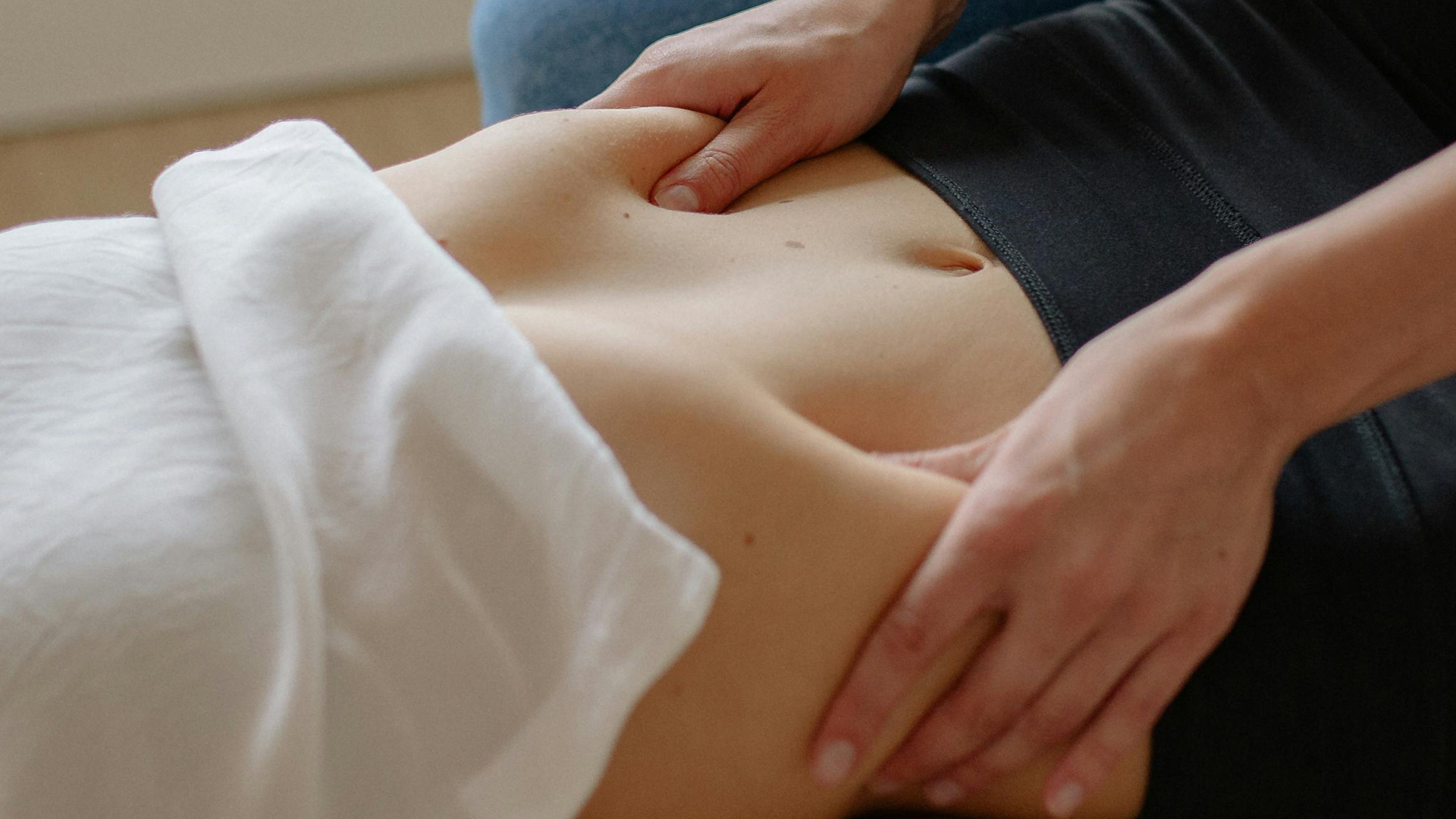
Some months, ovulation passes by almost unnoticed. Other times, it can bring a surprising sense of heaviness through the abdomen, the kind where your stomach feels tight by the afternoon or your usual clothes suddenly feel less comfortable. If that sounds familiar, you’re not the only one experiencing it.
Ovulation bloating is a common mid-cycle symptom that can appear alongside digestive changes, pelvic discomfort, or mild cramping. While conversations around bloating usually focus on PMS, hormonal fluctuations around ovulation can create similar sensations too.
For most people, the bloating is temporary and settles within a few days. Still, understanding what’s happening inside your body can make the experience feel less frustrating and far easier to manage.
Understanding Ovulation Bloating
Ovulation typically occurs around day 14 of a 28-day menstrual cycle, though this timing can vary. During ovulation, your ovaries release a mature egg, which travels down the fallopian tube where it may potentially be fertilised. This process, while essential for reproduction, brings about hormonal fluctuations that can cause noticeable physical changes, including bloating.
What Are the Common Symptoms of Ovulation-Related Bloating?

Ovulation bloating doesn’t always show up the same way each cycle. Some months it’s barely noticeable; other times it feels like your abdomen is holding extra pressure for no clear reason.
Typical signs include:
-
A tight, slightly stretched feeling around the lower stomach
-
Mild pelvic heaviness that comes and goes
-
Noticeable water retention (rings, waistbands, etc. feel tighter)
-
More frequent burping or gas during ovulation
-
Feeling full sooner than usual after eating
-
Low-grade cramps or dull lower abdominal aches
-
Sensitivity or tenderness in the pelvic region
Most of these settle on their own as hormone levels shift again after ovulation. It tends to be more of a “cycle phase” feeling than an ongoing issue.
The Hormonal Cascade Behind the Bloat

The bloating experienced during ovulation is primarily driven by hormonal changes, particularly:
-
Oestrogen surge: In the days leading up to ovulation, oestrogen levels peak. Oestrogen can cause water and salt retention, leading to that uncomfortable full feeling in your abdomen.
-
Luteinising Hormone (LH) spike: This hormone triggers the release of the egg from the ovary. The rapid increase in LH can affect fluid balance in your body, creating waves of change that ripple through your system.
-
Progesterone rise: After ovulation, progesterone levels begin to increase. Progesterone can slow down digestion and cause gastrointestinal symptoms like bloating, gas, and constipation.
These hormonal shifts affect your body's fluid retention, digestive processes, and even how your abdominal muscles function, all contributing to that bloated sensation. Understanding this intricate interaction can help you move through it with greater ease.
How to Identify Ovulation Bloating
Ovulation bloating typically occurs around the middle of your menstrual cycle and may last anywhere from one to five days. Unlike menstrual bloating, which often comes with cramping and other premenstrual symptoms, ovulation bloating may be accompanied by:
-
A feeling of fullness or pressure in the lower abdomen
-
Mild pelvic pain or discomfort
-
Increased discharge
-
A slight rise in basal body temperature
-
Enhanced sense of smell or taste
-
Changes in libido
Tracking these symptoms along with your cycle can help you confirm whether what you're experiencing is indeed related to ovulation. Think of it as learning your body's unique language.
Does Ovulation Always Make You Bloated?
Yes, for many people it does. The connection isn’t always obvious until you start noticing a pattern across cycles.
During ovulation, shifting hormone levels can affect how the body handles fluid and digestion. That’s why bloating mid cycle often feels sudden, even if diet or routine hasn’t changed.
It can also show up alongside mild cramps. When ovulation pain and bloating occur together, it’s usually due to the ovary releasing an egg combined with temporary digestive slowdown - nothing unusual, but definitely uncomfortable for some.
Is Bloating During Ovulation a Good Sign?
It usually just means your body is going through its normal hormonal rhythm. It doesn’t confirm fertility or ovulation on its own, it’s more of a side effect than a signal.
Some cycles bring obvious symptoms; others are quiet. Neither pattern is “better” or more correct. It’s just variation in how sensitive your body is to hormonal change at that time.
Why Do Gas and Digestive Changes Happen During Ovulation?
The gut responds quite quickly to hormonal shifts, which is why some people notice gas during ovulation or changes in digestion mid-cycle.
A few things can be happening at once:
-
Digestion slows slightly
-
The gut becomes more reactive
-
Water retention increases
-
Gas can get trapped more easily
Even normal meals can feel a bit heavier during this phase, especially if they’re high in salt, carbonation, or heavily processed ingredients.
Can Ovulation Cramps and Bloating Happen Together?
Yes, and they often do.
When ovulation cramps and bloating occur at the same time, it can feel like a dull, dragging pressure across the lower abdomen with occasional sharper twinges on one side.
It usually settles quickly. Most people find that gentle movement, hydration, or heat helps take the edge off. If pain becomes strong or persistent, that’s when it’s worth getting it checked rather than assuming it’s cycle-related.
Ovulation Bloating vs PMS Bloating: What’s the Difference?
Although they feel similar, they tend to show up at very different points in the cycle and behave slightly differently.
|
Symptom/Factor |
Ovulation Bloating |
PMS Bloating |
|---|---|---|
|
Timing |
Mid-cycle |
Pre-period phase |
|
Hormonal driver |
Oestrogen + LH surge |
Progesterone shift |
|
Duration |
Short (hours to 2 days) |
Longer (several days) |
|
Sensation |
Localised pressure, mild cramps |
Heavier, widespread bloating |
|
Digestion |
Slight gas or tightness |
Slower digestion, constipation more likely |
|
Pain pattern |
Often one-sided |
More generalised |
Over time, this pattern recognition makes it easier to tell what your body is reacting to.
Can Bloating After Ovulation Indicate Pregnancy?
Sometimes, but it’s not a reliable indicator on its own.
Bloating after ovulation is very common simply because progesterone rises after the egg is released. That alone can slow digestion and create a feeling of fullness or mild swelling.
The complication is that early pregnancy symptoms and PMS can overlap heavily. So, bloating alone can’t confirm anything either way.
Most of the time, post-ovulation bloating is just part of the normal luteal phase rather than an early pregnancy sign.
Practical Tips to Manage Ovulation Bloating
While you can't prevent the hormonal changes that cause ovulation bloating, you can take steps to minimise discomfort and nurture yourself through this phase:
Dietary Adjustments

-
Stay Hydrated: It might seem counterintuitive when you're feeling bloated, but drinking plenty of water helps flush excess sodium from your system and reduces water retention.
-
Mindful Eating: During ovulation, consider reducing foods that contribute to bloating, such as:
-
High-sodium processed foods
-
Carbonated beverages
-
Gas-producing vegetables like broccoli, cabbage, and beans
-
Dairy products (if you're sensitive)
-
Artificial sweeteners
- Anti-Inflammatory Foods: Incorporate foods that may help reduce inflammation and bloating:
-
Potassium-rich foods like bananas and avocados that balance sodium levels
-
Ginger and turmeric for their natural anti-inflammatory properties
-
Pineapple, which contains bromelain, an enzyme that aids digestion
-
Yoghurt with live cultures to support gut health
Lifestyle Modifications
-
Gentle Movement: Light exercise like walking, swimming, or yoga can stimulate digestion and help release trapped gas. Specific yoga poses like Child's Pose, Happy Baby, and supine twists can be particularly effective for relieving bloating. Movement becomes medicine for your body.
-
Stress Management: Stress can exacerbate hormonal fluctuations and digestive issues. Practices like meditation, deep breathing exercises, or gentle stretching can help manage stress during ovulation.
-
Suitable Clothing: Opt for comfortable, non-restrictive clothing during these days to avoid additional pressure on your abdomen. Choose pieces that move with you rather than against you.
-
Heat Therapy: A warm bath or heating pad can relax abdominal muscles and provide comfort during bloating.
Natural Remedies
- Herbal Teas: Certain herbal teas may help alleviate bloating:
-
Peppermint tea for its antispasmodic properties
-
Ginger tea to aid digestion
-
Fennel or caraway tea to reduce gas
- Essential Oils: Some find relief with essential oils like peppermint or lavender, either diffused or diluted in a carrier oil for gentle abdominal massage.
|
Actionable Strategy |
Foods to Include (Anti-Inflammatory) |
Foods to Limit (Gas-Producing) |
|---|---|---|
|
Dietary Choice |
Potassium-rich foods (bananas, avocados), Ginger, Turmeric, Pineapple, Probiotic yogurt |
High-sodium processed foods, Carbonated drinks, Broccoli, Cabbage, Beans, Dairy, Artificial sweeteners |
|
Hydration & Remedies |
Plenty of fresh water, Peppermint tea, Fennel or caraway tea |
Alcohol, Excess caffeine, Sugary drinks |
When to Consult a Healthcare Provider
While ovulation bloating is usually harmless, it shouldn’t feel extreme or constant.
-
If your bloating is severe enough to significantly disrupt your daily activities
-
If your bloating is accompanied by intense pelvic pain, fever, or vomiting
-
If the sensation remains constant throughout your entire cycle rather than resolving after 1 to 5 days
Then contact a GP or specialist to investigate potential underlying conditions like ovarian cysts, endometriosis, or IBS. Understanding your cycle and recognising how your body changes during ovulation can help you feel more informed and confident in managing symptoms like bloating.
Embracing Body Awareness
Understanding the pattern of your body's response to hormonal fluctuations throughout your cycle is empowering. By tracking your symptoms, you can better prepare for and manage ovulation bloating when it occurs. Many cycle tracking apps allow you to note symptoms like bloating alongside your period dates, providing valuable insights into your personal pattern.
This awareness becomes a form of self-care, helping you implement targeted strategies precisely when you need them most.
The Bigger Picture
Remember that cyclical changes, including temporary bloating, are part of your body's natural rhythms. Rather than seeing ovulation bloating as merely an inconvenience, consider it as one of many signs that your reproductive system is functioning as designed.
By understanding what's happening in your body during ovulation and implementing gentle self-care practices, you can navigate this phase of your cycle with greater comfort and confidence. Listen to your body's needs, adjust accordingly, and remember that the discomfort is temporary - a new phase of your cycle is always just around the corner.
Each cycle offers an opportunity to deepen your understanding of your body's wisdom.
FAQs
Why do I feel awful during ovulation?
Ovulation can feel surprisingly intense for some people. The shift in oestrogen and LH can affect everything from digestion to energy levels, which is why you might feel bloated, tired, or just “off” for a short window in your cycle.
What does ovulation discharge look like?
It’s often quite noticeable - clear, slippery, and stretchy, a bit like raw egg white. This texture helps sperm move more easily if conception is possible. After ovulation, it usually becomes thicker or less obvious again.
What does hormonal bloating look like?
Hormonal bloating typically looks and feels like a slight physical puffiness, abdominal tightness, or a sensation of localized fullness. Many individuals notice it less in the mirror and more by how tightly their waistbands or rings fit.
How long does bloating last during ovulation?
For most people, it’s short-lived. A few hours to a couple of days is typical. If it’s stretching longer than that every cycle, it might be worth looking at diet, stress, or other digestive triggers too.
Can exercise reduce bloating during ovulation?
Gentle movement can help more than people expect. A walk, some stretching, or light yoga can help shift gas and ease that heavy feeling in the abdomen. You don’t need anything intense, consistency matters more.
Is ovulation bloating related to fertility?
It can show up around your fertile window, but it doesn’t confirm anything about fertility on its own. It’s simply your body reacting to hormone changes, and not everyone experiences it the same way each cycle.
Can ovulation bloating be a sign of something more serious?
Most of the time, no - it’s just hormonal. But if it becomes severe, painful, or starts happening outside your usual cycle pattern, it’s worth checking in with a healthcare professional to rule out things like cysts or endometriosis.
Is ovulation pain a sign it’s too late to conceive?
Not at all. Ovulation pain usually happens right around egg release, which is still within the fertile window. It’s more of a timing signal than a warning that the window has passed.
Does your stomach look bigger during ovulation?
It can, but usually only slightly. It’s more of a temporary puffiness or tightness than a visible change. Most people notice it in how clothes fit rather than how it looks in the mirror.
Can ovulation bloating feel worse at night?
Yes, it often does. By evening, digestion slows down and any gas or fluid retention tends to feel more noticeable. It’s one of those symptoms that becomes more obvious when you finally slow down for the day.
Anything else? Essity Australasia makes no warranties or representations regarding the completeness or accuracy of the information. This information should be used only as a guide and should not be relied upon as a substitute for professional, medical or other health professional advice.
References:
Blogs
See All
Jun 08, 2022
EXPLORING PERIOD CARE IN CULTURES AROUND THE WORLD
Our TOM Talks panelist Sabina McKenna explores how different cultures around the world approach period care.
Read More
Jun 08, 2022
STOP APOLOGISING FOR HAVING YOUR PERIOD
Our TOM Talks panelist Mel Mason talks about the importance of not apologising for having your period.
Read More
Jun 07, 2022
STRESSED? NOT SLEEPING? TRYING TO CONCEIVE?
TOM Talk's panelist Georgia Hartmann discussed the links between stress, sleep and fertility.
Read More
Jun 07, 2022
STRESS AND HOW IT AFFECTS YOUR SEX DRIVE
Certified sex coach Georgia Grace is here to unpack the link between stress and sex.
Read More