
Oct 24, 2025
HORMONAL CONFUSION: UNDERSTANDING IRREGULAR BLEEDING ON AND AFTER THE PILL
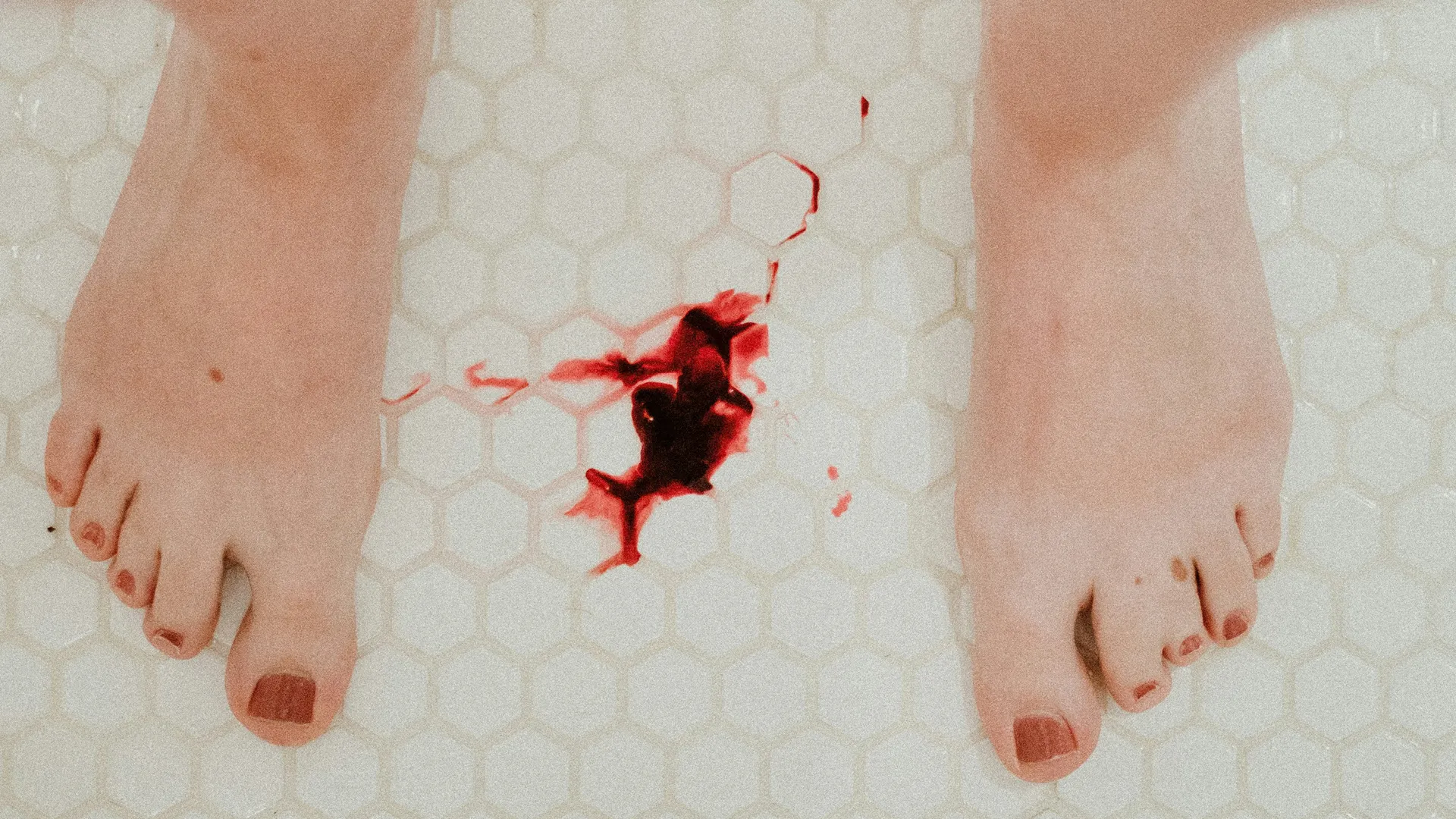
If you’ve ever paused to ask yourself, “why am I bleeding on the pill?” you’re not alone. Many people using hormonal birth control experience unexpected bleeding or spotting, which can feel confusing or even a little alarming. The good news is that irregular bleeding on and after the pill is often a normal part of how your body adjusts to changing hormones.
What’s Going on When You Bleed on the Pill?
When you start taking hormonal birth control, your body’s natural hormone patterns shift. The pill usually contains oestrogen and progestin (or sometimes just progestin), and these work together to stop ovulation and change your uterine lining. This is how pregnancy is prevented, but it also affects your bleeding.
That unexpected bleeding you notice, often called breakthrough bleeding, is basically your body’s way of adjusting. It’s usually light spotting but can sometimes be more noticeable. If it happens within the first few months, it’s generally not a cause for worry.
Why Breakthrough Bleeding Happens
Here are some of the main reasons you might experience bleeding while on the pill:
- Adjusting to new hormones: Your body needs time to get used to the pill’s hormones, and during that time, spotting is common.
- Missed or inconsistent pills: Taking pills late or skipping one can cause hormone levels to dip, leading to bleeding.
- Low-dose pills: Some birth control pills have lower doses of hormones, which can make spotting more likely.
- Other medications: Certain antibiotics or supplements can reduce pill effectiveness and cause bleeding.
- Other health issues: Sometimes, things like fibroids or infections can cause irregular bleeding, so it’s important to pay attention if the bleeding is heavy or prolonged.
If your breakthrough bleeding lasts more than a few months or gets heavier, a quick chat with your healthcare provider can put your mind at ease and help adjust your birth control if needed.
How Is This Different from Your Regular Period?
Breakthrough bleeding is often lighter and more unpredictable than your usual period. It can happen at any time during your pill cycle, not just during the withdrawal week when you expect your period-like bleeding on the pill. One thing to remember: breakthrough bleeding doesn’t usually mean the pill isn’t working, as long as you’re taking it correctly.
What Happens When You Stop Taking the Pill?
When you decide to stop using the pill, your body restarts its natural hormonal rhythm. For some people, this is seamless, while for others, it can mean unpredictable bleeding and changes in cycle length. This phase can involve spotting, delayed periods, or even heavier bleeding for a short time.
This transition period can last a few months while your body balances hormones again and ovulation returns to normal. Keeping track of how you feel and your bleeding patterns during this time can be helpful.
When Is Bleeding a Sign to See a Doctor?
While irregular bleeding is common, there are times when it’s important to get medical advice:
- Very heavy or prolonged bleeding
- Severe pain accompanying bleeding
- Bleeding after sex or unusual discharge
- Fever, chills, or other signs of infection
- If your period doesn’t return for several months after stopping the pill
Your healthcare provider can offer tests and guidance to rule out other causes and suggest different options if needed.
Tips to Manage and Keep Track of Your Cycle
Here are some simple ways to handle irregular bleeding and keep a handle on your cycle:
- Give your body a few months to adjust to starting or stopping the pill.
- Take your pills at the same time every day to keep hormone levels steady.
- Use an app or calendar to note any bleeding or spotting.
- Look after your general health: stress, diet, and exercise all play a role in hormonal balance.
Don’t hesitate to reach out to your provider if something feels off or just to get reassurance.
The Bottom Line
Irregular bleeding on and after the pill often comes down to how your body responds to shifting hormones. It can be inconvenient and confusing, but it usually settles with time. If you’re wondering, “why am I bleeding on the pill?” remember it’s a common experience and, in most cases, nothing to worry about.
Listening to your body and working with your healthcare provider will help you find the birth control method that fits your lifestyle and health best.
Anything else? Essity Australasia makes no warranties or representations regarding the completeness or accuracy of the information. This information should be used only as a guide and should not be relied upon as a substitute for professional, medical or other health professional advice.
Blogs
See All
Jun 08, 2022
EXPLORING PERIOD CARE IN CULTURES AROUND THE WORLD
Our TOM Talks panelist Sabina McKenna explores how different cultures around the world approach period care.
Read More
Jun 08, 2022
STOP APOLOGISING FOR HAVING YOUR PERIOD
Our TOM Talks panelist Mel Mason talks about the importance of not apologising for having your period.
Read More
Jun 07, 2022
STRESSED? NOT SLEEPING? TRYING TO CONCEIVE?
TOM Talk's panelist Georgia Hartmann discussed the links between stress, sleep and fertility.
Read More
Jun 07, 2022
STRESS AND HOW IT AFFECTS YOUR SEX DRIVE
Certified sex coach Georgia Grace is here to unpack the link between stress and sex.
Read More