
Nov 20, 2025
FROM PERIMENOPAUSE TO MENOPAUSE: HOW TO KNOW YOU'RE NEARING THE TRANSITION
Menopause can feel like a mystery if you haven’t experienced it yet. The truth is, it doesn’t suddenly appear, it gradually builds over the years, starting with perimenopause. If you pay attention, your body gives clues along the way.
The Early Shifts: Perimenopause
Perimenopause is the phase before menopause officially starts. Hormones start fluctuating, which can throw off your cycles, sleep, and moods. Most people notice this in their 40s, but some spot changes in their late 30s.
Your period may come earlier or later than usual, or sometimes not at all. Hot flashes might appear here and there. Mood swings, trouble sleeping, or fatigue can show up too. These signs of pre menopause are your body’s way of saying things are changing, even if it feels subtle.
First Hints You Might Notice
Spotting the first signs of menopause can be tricky. Maybe your energy dips unexpectedly. Maybe your skin feels different. Hair texture might shift. Some people get occasional headaches or notice that memory isn’t as sharp as it used to be.
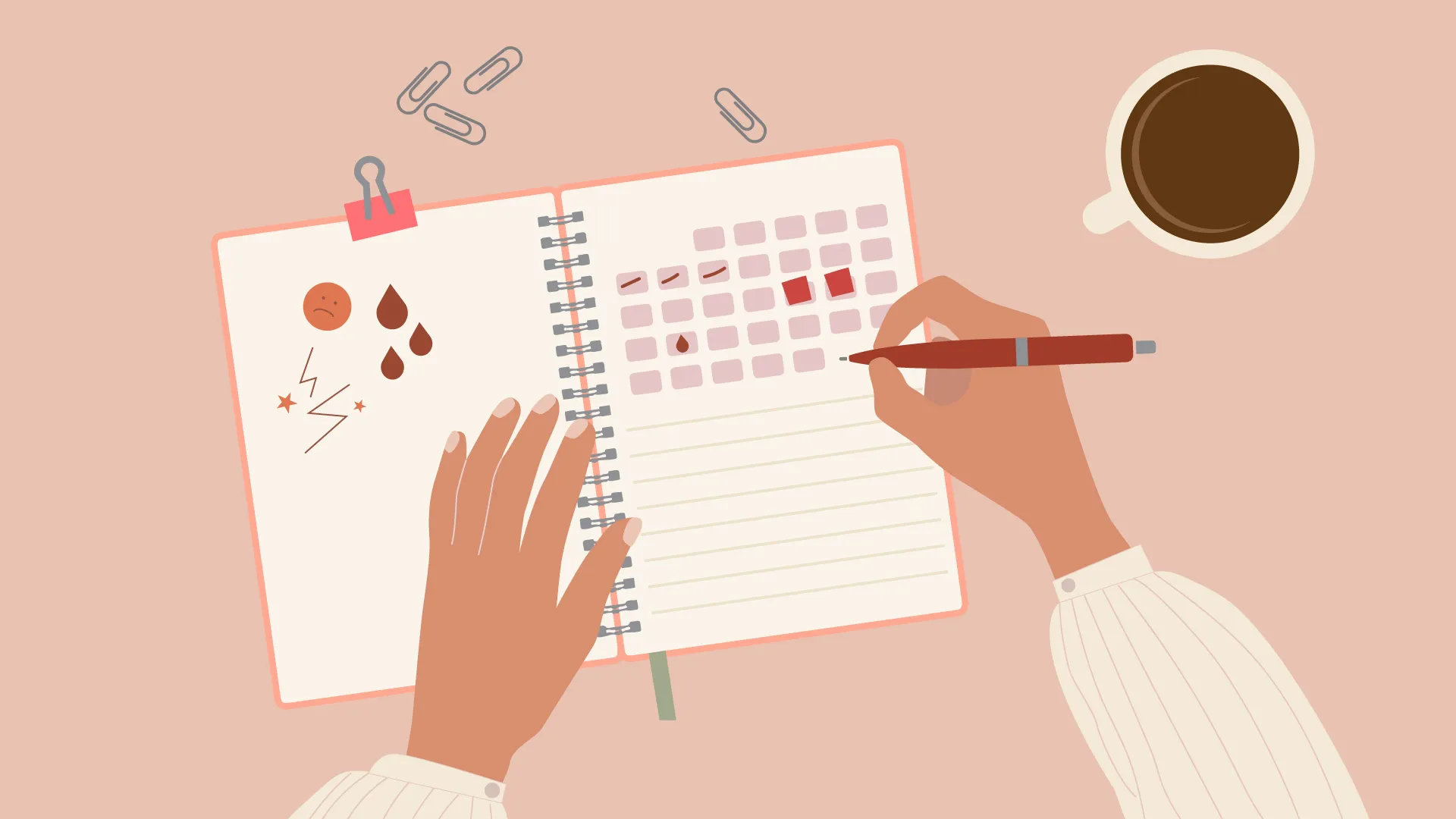
It helps to jot things down. Even a quick note about your cycle, sleep, or mood can reveal patterns over months. These small observations give you a heads-up before more obvious changes set in.
What Changes in the Body
Hormonal changes ripple across your body. Some notice their waistline shifting or more weight gathering around the middle. Bones slowly lose density, which makes calcium, vitamin D, and exercise more important. Skin may become drier, and hair might thin in unexpected spots.
Hot flashes are common. They’re sudden, intense feelings of heat that may show up during the day or wake you at night. Layering clothes, keeping rooms cool, and deep-breathing techniques can help.
Mood Swings and Brain Fog
It’s not just the body, your mind changes too. Irritability, anxiety, and “foggy” thinking happen to a lot of people. These aren’t signs of weakness. Hormone shifts are the culprit.
Things that help include movement, sleep, mindfulness, and talking openly with friends or a doctor. You don’t have to tough it out alone.
Timing: When Menopause Usually Arrives
You might wonder, what age menopause starts. On average, it’s around 51. But some experience it earlier or later. Menopause is officially diagnosed after a full year without a period. Before that, perimenopause can last anywhere from four to ten years.
Knowing the rough timeline can help you prepare. Think about lifestyle tweaks, check-ups, and self-care strategies well before your last period arrives.
Paying Attention to Your Own Body
Everyone’s journey is unique. Tracking your cycles, sleep, mood, and energy can give a much clearer picture of what’s happening. Look for the signs like irregular periods, hot flashes, sleep changes, or mood swings.
Seeing a doctor can help too. They can test hormone levels, discuss symptom management, and offer advice that suits you personally.
Making Peace With the Transition
Menopause isn’t an ending; it’s a phase to focus on yourself. Good nutrition, movement, stress management, and paying attention to your body go a long way. You’ve got this, one hot flash at a time.
It’s easy to think of menopause negatively, but it can also be freeing. No more stressing over periods, or forgetting your tampon stash mid-meeting. And it’s a chance to set health and lifestyle priorities on your terms.
Wrapping Up
From small shifts in cycles to changes in sleep, mood, and energy, your body provides signals well before menopause officially begins. Noticing the first signs, keeping track of symptoms, and getting guidance when needed can make the transition smoother.
This isn’t a stage to fear; it’s a natural part of life. By listening to your body and making practical choices, you can approach menopause with understanding and confidence.
Anything else? Essity Australasia makes no warranties or representations regarding the completeness or accuracy of the information. This information should be used only as a guide and should not be relied upon as a substitute for professional, medical or other health professional advice.
Blogs
See All
Jun 08, 2022
EXPLORING PERIOD CARE IN CULTURES AROUND THE WORLD
Our TOM Talks panelist Sabina McKenna explores how different cultures around the world approach period care.
Read More
Jun 08, 2022
STOP APOLOGISING FOR HAVING YOUR PERIOD
Our TOM Talks panelist Mel Mason talks about the importance of not apologising for having your period.
Read More
Jun 07, 2022
STRESSED? NOT SLEEPING? TRYING TO CONCEIVE?
TOM Talk's panelist Georgia Hartmann discussed the links between stress, sleep and fertility.
Read More
Jun 07, 2022
STRESS AND HOW IT AFFECTS YOUR SEX DRIVE
Certified sex coach Georgia Grace is here to unpack the link between stress and sex.
Read More