
Jan 15, 2025
DECIDUAL CAST PERIODS: WHEN YOUR UTERINE LINING SHEDS AS ONE
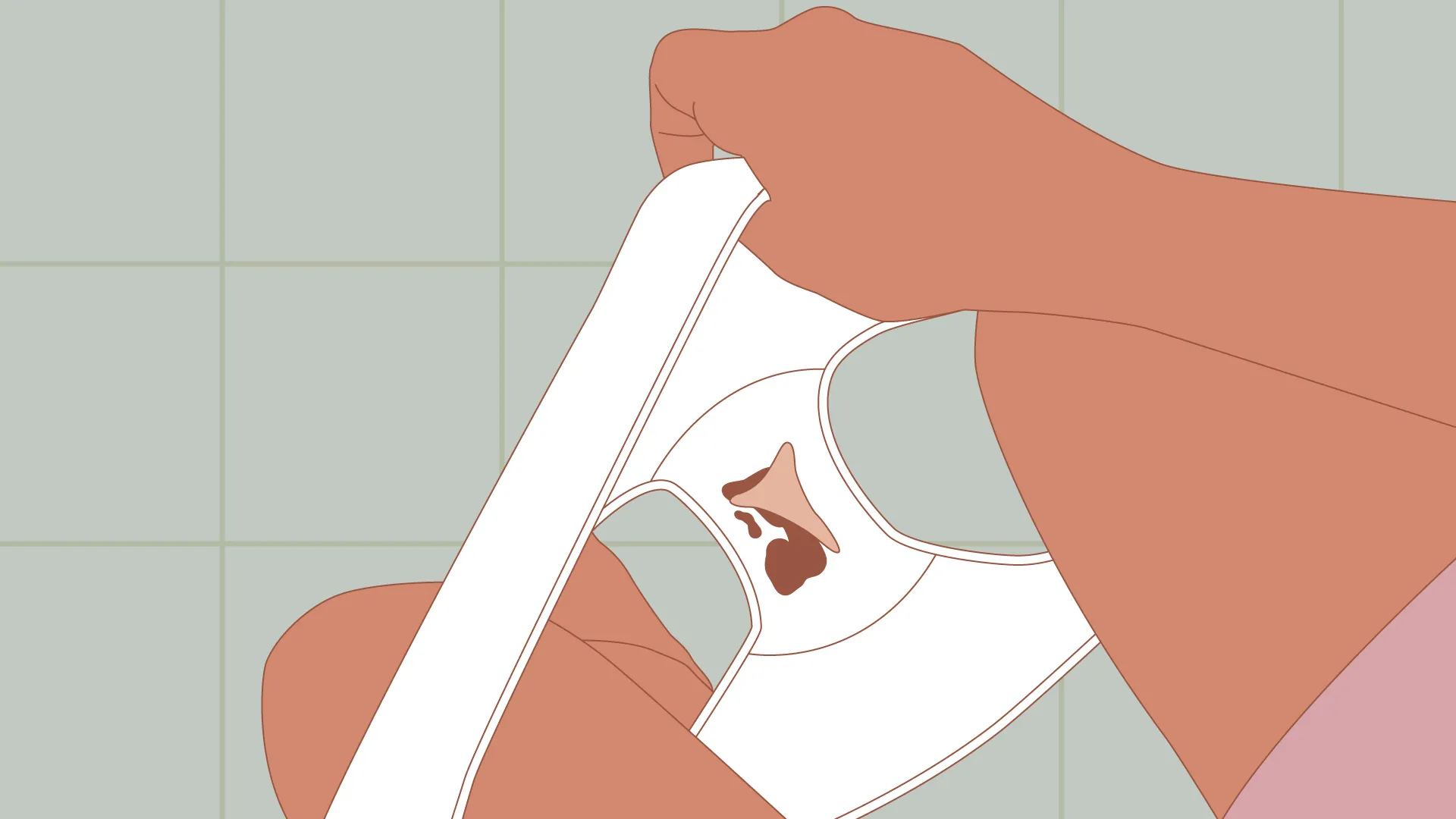
A decidual cast is when the uterine lining sheds in one complete piece, often retaining the shape of the uterus instead of breaking down gradually during a typical period.
If you’ve ever noticed a larger-than-usual piece of tissue during your period, it can be unsettling. Most people don’t expect anything like that, so it if it happens it can raise some questions. One possible explanation is something called a decidual cast - a rare situation where the uterine lining sheds all at once instead of over several days.
It’s not something that happens often, but when it does, it can feel intense in the moment.
Quick facts:
-
Decidual casts are rare
-
Usually not harmful in non-pregnant individuals
-
Often linked to hormonal changes
-
Can sometimes be mistaken for miscarriage
What Is a Decidual Cast?
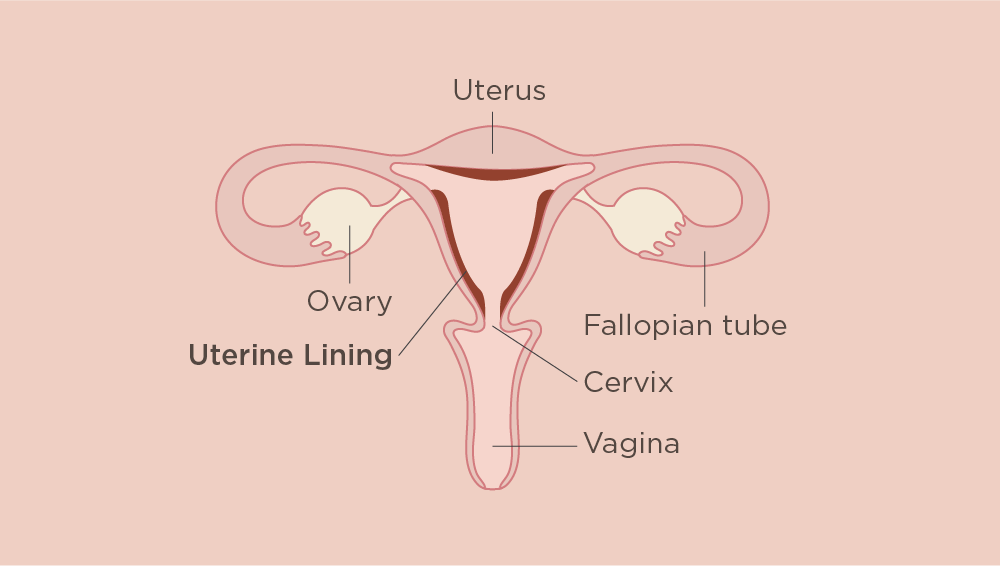
The uterine lining (endometrium) naturally thickens each cycle in response to hormones, particularly progesterone. This process is called decidualisation. While it plays a key role in pregnancy, a milder version happens in every menstrual cycle.
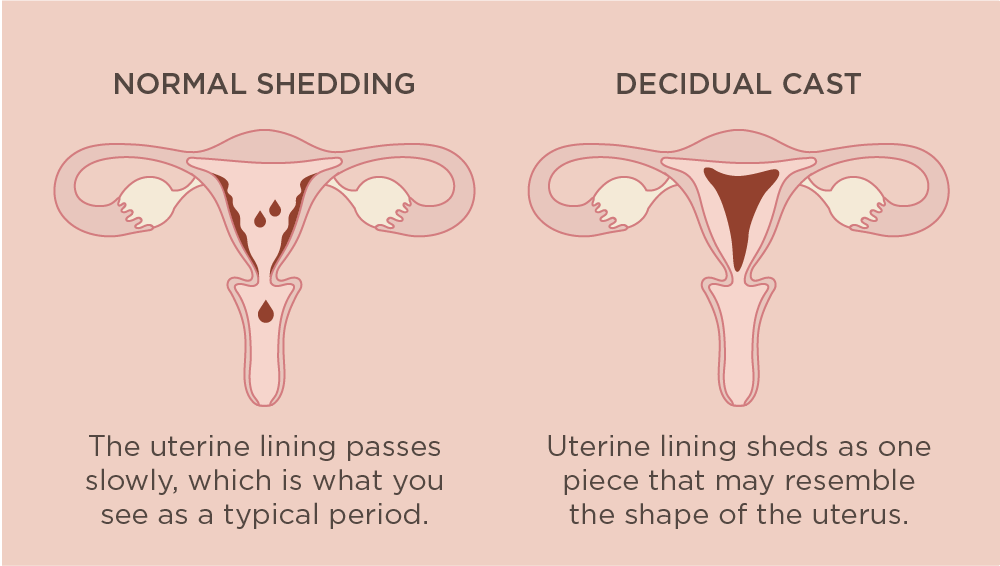
A decidual cast is when the lining of the uterus comes away in a single piece, instead of gradually breaking apart. Normally, passing uterine lining during a period happens slowly, which is what you see as a typical period. But in this rare case, the lining separates all at once.
Because it doesn’t break apart beforehand, the tissue often keeps the shape of the uterus as it passes. That’s usually what makes it look so unusual. This is why it may appear triangular, tubular, or even hollow, depending on your anatomy and how it moves through the cervix.
Most of the time, it’s not harmful, but it can feel intense and alarming, especially if you’re not expecting it.
What Does a Decidual Cast Look and Feel Like?
People tend to describe a decidual cast period as being different from a regular cycle, both physically and visually.
In terms of appearance, it may look:
-
Triangular or slightly tubular in shape
-
About 3–10 cm in size
-
Pink, red, or fleshy, sometimes with a hollow centre
-
May resemble the shape of the inside of the uterus
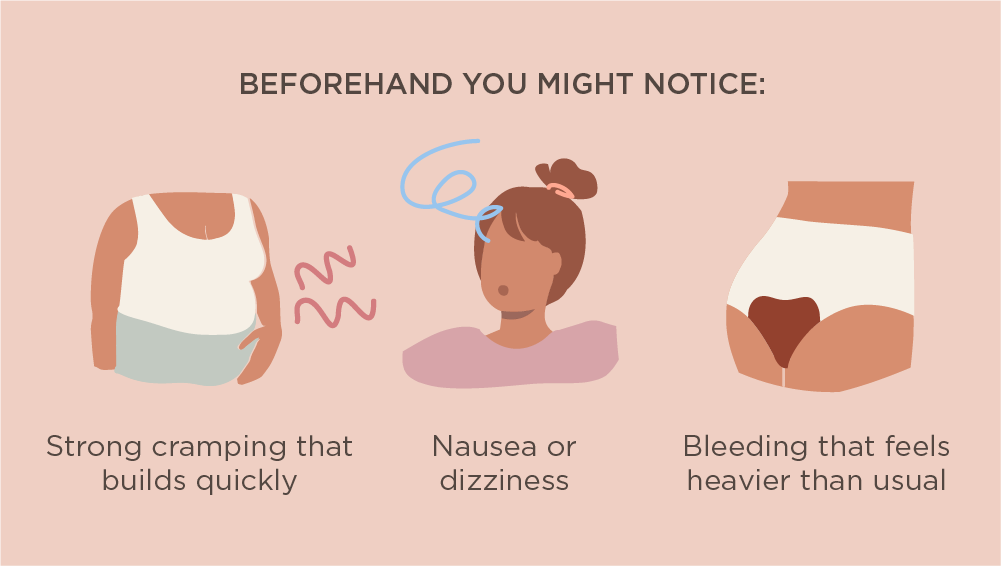
What often stands out more for many people is how it feels beforehand.
You might notice:
-
Strong cramping that builds quickly
-
A heavy or “pressured” feeling low in the abdomen
-
Nausea or dizziness
-
Bleeding that feels heavier than usual
Once the tissue passes, symptoms often ease quite quickly, which can feel like a sudden shift.
Why Do Decidual Casts Happen?
Several factors can contribute to the formation and passing of a decidual cast:
-
Hormonal contraception: Sudden changes in hormonal contraception, especially progesterone-only contraceptives, are the most common triggers. Starting, stopping, or changing hormonal contraceptives can sometimes cause this reaction.
-
Pregnancy-related changes: In some cases, a decidual cast may be associated with an ectopic pregnancy, where the fertilised egg implants outside the uterus, typically in a fallopian tube.
-
Hormonal imbalances: Conditions that affect your hormone levels, such as polycystic ovary syndrome (PCOS) or endometriosis, may increase the likelihood of experiencing a decidual cast.
-
Inflammatory conditions: Certain infections or inflammatory processes affecting the reproductive system can occasionally contribute to this phenomenon. For example, conditions like pelvic inflammatory disease (PID), endometritis (inflammation of the uterine lining), or infections caused by bacteria such as Chlamydia or Gonorrhoea may irritate the uterine lining and play a role.
Sudden hormonal shifts, especially involving progesterone, are considered the most common trigger.
Does a Decidual Cast Mean Miscarriage?
This is one of the biggest concerns people have, and it’s a completely understandable one.
A decidual cast does not usually mean miscarriage. It is made up of uterine lining, not fetal tissue.
That said, the appearance can be similar enough to cause confusion.
If a pregnancy is present, passing a decidual cast may be associated with pregnancy loss or complications such as ectopic pregnancy, which requires urgent medical care.
So, if there’s a chance you might be pregnant, it’s important to check with a doctor.
When to seek Medical Attention
While passing a decidual cast is often not dangerous in itself, certain circumstances warrant medical attention:
-
Severe Pain: If you're experiencing debilitating pain that doesn't respond to over-the-counter pain relief
-
Heavy Bleeding: Soaking through pads or tampons hourly for several consecutive hours
-
Signs of Infection: Fever, unusual discharge, or a foul odour
-
Pregnancy Symptoms: If you've had a positive pregnancy test or suspect you might be pregnant
-
Recurrence: If you've experienced multiple decidual casts
Even if you're not experiencing these symptoms, it's still advisable to consult with your healthcare provider after passing a decidual cast. They may want to examine the tissue or recommend further evaluation to rule out any underlying conditions.
Why This Experience Can Feel Scary
Passing a decidual cast can be physically and emotionally overwhelming. The unexpected size, shape, and intensity can cause uncertainty and anxiety.
Some people worry they’ve had a miscarriage or that something is seriously wrong, even when that’s not the case.
If this experience leaves you feeling anxious about your cycle, speaking with a healthcare professional can help provide reassurance and clarity.
Moving Forward: Self-Care and Prevention
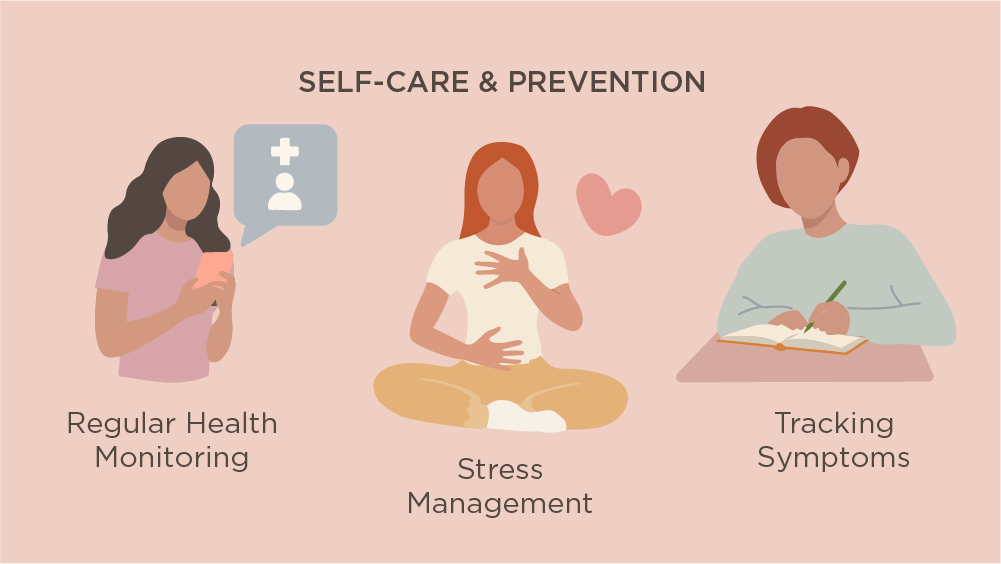
While decidual casts aren't entirely preventable, some strategies may help minimise your risk:
-
Gradual hormonal changes: If you're starting or stopping hormonal contraceptives, discuss with your GP the possibility of transitioning gradually to minimise dramatic hormonal fluctuations.
-
Regular Health Monitoring: Schedule check-ups with your GP if you notice changes in your cycle, to help monitor any underlying conditions that might contribute to hormonal imbalances.
-
Tracking Symptoms: Keep a detailed record of your menstrual cycles, including any unusual symptoms or patterns, to share with your healthcare provider.
-
Stress Management: While not directly linked to decidual casts, chronic stress can impact hormonal balance. Practices like meditation, adequate sleep, and regular exercise support overall hormonal health.
Why Isn’t This Talked About More?
Decidual casts are rare, and many people never hear about them unless they experience one. Because of this, it can feel isolating or unusual, but it’s simply one of the many ways the body can respond to hormonal changes.
Explore More
If your cycle has been feeling a bit off, it might help to look into:
-
Period care options like high-absorbency underwear or pads for added comfort
FAQs
What does it mean if you have a decidual cast?
It means the uterine lining has shed in one complete piece instead of breaking down gradually. While it can feel unusual or intense, it’s generally linked to hormonal changes. If anything feels out of the ordinary, it’s still a good idea to monitor your symptoms and speak to a healthcare provider.
How to identify decidual cast?
It’s usually identified by the sudden passing of a single piece of tissue, often shaped somewhat like the uterus. This is often accompanied by stronger-than-usual cramping. If you’re unsure, a doctor can help confirm what it is and rule out other possibilities.
How rare is it to get a decidual cast?
Decidual casts are quite rare, and most people will never experience one. When they do occur, it’s often tied to hormonal shifts, particularly changes in contraception. Because it’s uncommon, it can feel quite unexpected when it happens.
What is the difference between decidua and decidual cast?
The decidua refers to the uterine lining during pregnancy, which supports a developing embryo. A decidual cast is when that lining sheds all at once outside of a typical pregnancy process. The two are related in name but refer to very different situations.
What makes you more likely to have a decidual cast?
Hormonal changes are the most common factor, especially starting or stopping hormonal contraception. Some health conditions may also play a role, though in many cases there isn’t a clear trigger. It can happen unexpectedly, even in people with otherwise regular cycles.
Can a decidual cast lead to complications?
Most of the time, it doesn’t lead to ongoing issues, and symptoms settle once it passes. However, if it’s linked to pregnancy, infection, or severe symptoms, it should be assessed by a healthcare professional. Getting checked helps rule out anything more serious.
How can I prevent a decidual cast?
There’s no guaranteed way to prevent it, since it often comes down to how your body responds to hormonal changes. That said, managing contraceptive changes carefully and keeping track of your cycle can help reduce the likelihood. If you’re concerned, a GP can offer guidance.
How big is a decidual cast?
It typically ranges between 3 and 10 centimetres, though this can vary. Some people describe it as being roughly the size of a walnut or small lime. The size depends on how much of the uterine lining is shed at once.
Can a decidual cast come out in pieces?
Yes, while it often comes out as a single piece, it can sometimes break apart before or during expulsion. Even when this happens, the experience can still feel similar, especially in terms of cramping. If you’re unsure about what you’ve passed, a healthcare provider can help clarify.
Can a decidual cast happen more than once?
Yes, but it’s uncommon. If it happens repeatedly, it’s important to speak with a healthcare provider to check for underlying causes.
References:
Anything else? Essity Australasia makes no warranties or representations regarding the completeness or accuracy of the information. This information should be used only as a guide and should not be relied upon as a substitute for professional, medical or other health professional advice.
Blogs
See All
Jun 08, 2022
EXPLORING PERIOD CARE IN CULTURES AROUND THE WORLD
Our TOM Talks panelist Sabina McKenna explores how different cultures around the world approach period care.
Read More
Jun 08, 2022
STOP APOLOGISING FOR HAVING YOUR PERIOD
Our TOM Talks panelist Mel Mason talks about the importance of not apologising for having your period.
Read More
Jun 07, 2022
STRESSED? NOT SLEEPING? TRYING TO CONCEIVE?
TOM Talk's panelist Georgia Hartmann discussed the links between stress, sleep and fertility.
Read More
Jun 07, 2022
STRESS AND HOW IT AFFECTS YOUR SEX DRIVE
Certified sex coach Georgia Grace is here to unpack the link between stress and sex.
Read More